
Effective Ways to Remove Tattoos
- Keith Wearing

- Aug 21, 2025
- 4 min read
Removing a tattoo is a deeply personal journey. Whether a symbol no longer resonates or a design simply no longer fits your story, the desire to erase ink from your skin is understandable. Fortunately, modern advancements have gifted us with a variety of methods to gently and effectively fade tattoos, especially for those seeking pain-free, non-invasive options. In this guide, I will walk you through the most effective tattoo removal techniques, exploring their benefits, limitations, and what you can expect along the way.
Exploring Popular Tattoo Removal Techniques
When considering tattoo removal, it’s essential to understand the range of options available. Each method varies in terms of effectiveness, comfort, cost, and recovery time. Here are some of the most popular techniques:
1. Laser Removal
Laser removal remains the most widely known and clinically proven method. It works by breaking down the ink particles in the skin using concentrated light beams. Over multiple sessions, the body’s immune system gradually clears these fragments.
Pros: Highly effective on most ink colours, especially black and dark blue.
Cons: Can be painful, requires multiple sessions, and may cause temporary skin irritation or pigmentation changes.
2. Tattoo Removal Creams
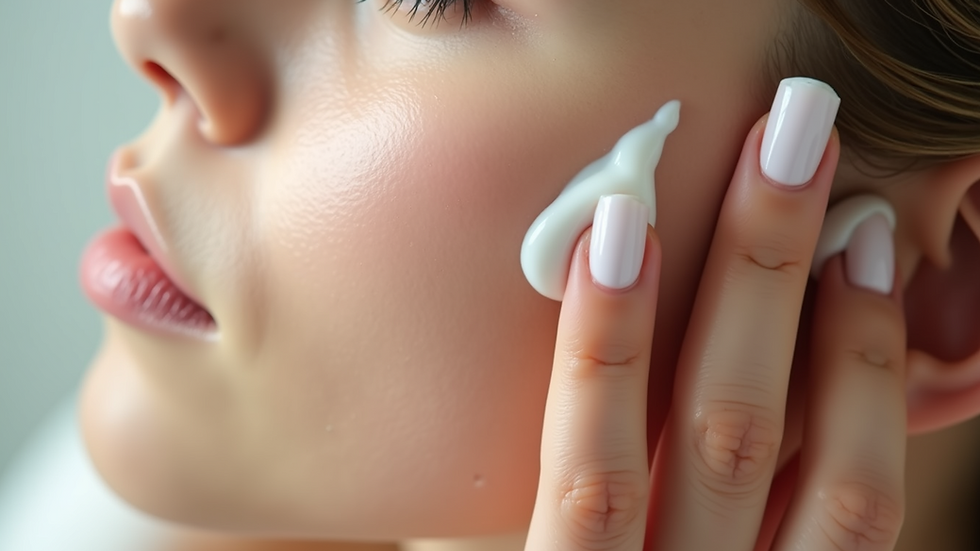
For those who prefer a non-invasive and pain-free approach, tattoo removal creams offer a promising alternative. These creams work by gradually lightening the tattoo pigment over time through skin exfoliation and pigment breakdown.
Pros: Painless, easy to use at home, and affordable.
Cons: Results vary depending on skin type and tattoo age; may take several weeks to months for noticeable fading.
3. Dermabrasion
This method involves physically sanding down the skin to remove the upper layers containing tattoo ink. It’s less common today due to discomfort and longer healing times.
Pros: Can be effective for superficial tattoos.
Cons: Painful, risk of scarring, and requires downtime.
4. Surgical Excision
Surgical removal involves cutting out the tattooed skin and stitching the remaining skin back together. This is usually reserved for small tattoos.
Pros: Immediate removal.
Cons: Invasive, leaves a scar, and not suitable for large tattoos.

Can a Tattoo Be Completely Removed?
This question often arises when considering tattoo removal. The answer depends on several factors including the tattoo’s size, ink colours, depth, and your skin type.
Complete removal is possible with laser treatment, especially for black and dark inks. However, some colours like green, yellow, and light blue are more resistant.
Fading rather than full removal is often the realistic goal for creams and less invasive methods.
Multiple sessions are usually necessary, and patience is key.
It’s important to set realistic expectations and consult with a professional to determine the best approach for your specific tattoo.

How to Choose the Right Method for You
Selecting the best tattoo removal technique depends on your priorities and lifestyle. Here are some considerations to guide your decision:
Pain tolerance: If you prefer a pain-free experience, creams or gentle fading methods are ideal.
Budget: Laser removal can be costly, while creams offer a more affordable option.
Time commitment: Laser and dermabrasion require multiple sessions and recovery time; creams allow gradual fading at your own pace.
Tattoo characteristics: Older, faded tattoos respond better to creams; fresh, dark tattoos may need laser treatment.
For those in Australia and New Zealand seeking a gentle, effective solution, I recommend exploring premium tattoo removal creams that combine advanced ingredients to safely lighten ink without discomfort.
The Science Behind Pain-Free Tattoo Removal Creams
Tattoo removal creams have evolved significantly. Modern formulations use a blend of natural exfoliants, skin brighteners, and pigment-dissolving agents. These ingredients work synergistically to:
Break down ink particles in the upper skin layers.
Promote skin regeneration to replace pigmented cells.
Hydrate and soothe the skin to prevent irritation.
Using these creams consistently as directed can lead to noticeable fading over weeks, making them an excellent choice for those who want to avoid the pain and downtime of laser treatments.

Aftercare Tips for Optimal Results
Regardless of the method you choose, proper aftercare is crucial to ensure the best outcome and maintain skin health:
Keep the area clean and moisturised.
Avoid direct sun exposure to prevent pigmentation changes.
Follow your practitioner’s advice on skincare products and activity restrictions.
Be patient – tattoo fading is a gradual process.
If you opt for creams, apply them consistently and avoid harsh scrubbing. For laser or dermabrasion, allow your skin to heal fully between sessions.
Embracing Your Skin’s New Chapter
Removing a tattoo is more than just erasing ink; it’s about reclaiming your skin’s canvas and embracing change with confidence. Whether you choose a state-of-the-art laser treatment or a gentle, premium cream, the journey is uniquely yours.
If you’re ready to explore a pain-free, non-invasive method, I encourage you to learn more about tattoo removal options that prioritise your comfort and skin’s wellbeing. With the right approach, you can gently fade your tattoo and write a new story on your skin - one that reflects who you are today.
Thank you for joining me on this exploration of effective tattoo removal techniques. May your path to clear, radiant skin be smooth and reassuring.


Comments